The problem with meal planning
is the planning itself.
People struggle to plan balanced meals that fit time, taste, and health goals. Decision fatigue and lack of culinary confidence lead to repetitive eating or excessive takeout.
Plateful is a smart meal-planning app that learns preferences, tracks groceries, and builds weekly meal plans. It simplifies healthy eating through intelligent curation and personalized recommendations.
Understanding how people plan,
shop, and cook.
Through user interviews with 24 professionals aged 21–40, we uncovered a counterintuitive truth about meal planning anxiety.
58%
Spend more time deciding what to eat than actually cooking
62%
Waste groceries every week
85%
Want meals aligned with their diet goals
"Users don't need more recipes — they need intelligent curation that respects their time, dietary preferences, and skill level."
Where the market
leaves gaps.
We analyzed meal planning apps, grocery services, and nutrition trackers to identify differentiation opportunities.
| Category | Examples | Strengths | Weaknesses |
|---|---|---|---|
| Meal Planning | Mealime, Paprika, Yummly | Easy UI, dietary filters, strong recipe databases | Limited ingredient customization, not hyper-personal for lifestyle + budget |
| Grocery + Meal Kits | Instacart, HelloFresh | Convenience + grocery integration + cooking simplified | Very expensive, rigid menus, not optimized to reduce waste |
| Nutrition Focus | MyFitnessPal, Noom | Strong tracking, behavior + diet improvement | Weak structured meal planning, no end-to-end cook → shop → track funnel |
Competitive Gap Opportunities
| Deep Customization | Local ingredients + cultural cuisines tailored to individual preferences |
| Food Waste Reduction | Smart leftover mapping system → unique white space in the market |
| Ecosystem Integrations | Delivery + wearables + wellness platforms working together seamlessly |
| Community Learning | Shared learning and social features built directly into the app |
Strategic positioning
and market opportunities.
- Hyper-personalized planning focusing on cultural, local ingredients
- Reduces food waste — clear positioning differentiator
- Health + nutrition intelligence (not just recipe browsing)
- End-to-end flow: Plan → Buy → Cook → Optimize
- Needs strong data inputs (recipes, nutrition DB, behavioral insights)
- Requires partnerships for delivery integration
- Emerging brand → low initial trust + adoption barrier
- Rising demand for affordable healthy eating among students / young professionals
- Potential partnerships with grocery delivery + fitness apps
- Content creator / chef collabs → scalable community + education
- Subscription upsell (smart pantry, AI coach, micro habit building)
- Big players (HelloFresh / Instacart / Yummly) can fast-follow some features
- Consumer churn in nutrition apps is high
- Economic downturn may reduce spending on food products
Who we're
designing for.

Jamie Lee, 24
Graduate Student
"I want to eat healthy on a student budget, but I don't have time for complicated recipes."
Goals- Affordable, easy-to-make recipes that fit health and budget
- Nutrition tracking integrated with meal planning
- Options to meal-prep in bulk to save time during busy weeks
- Balancing healthy eating with a tight budget and limited time
- Limited kitchen experience makes complex recipes challenging
- Wants nutritional guidance to support fitness goals

Ritish Nimma, 32
Marketing Manager
"I want to eat healthy but lack time to research recipes that fit my needs."
Goals- Streamlined meal planning that aligns with a busy schedule
- Easy-to-follow recipes tailored to dietary preferences
- Organized grocery list that prevents overbuying and reduces waste
- Finds meal planning time-consuming; struggles to avoid food waste
- Buys excess groceries that go unused due to last-minute changes
- Wants to engage with sustainability-focused, eco-friendly products
User Journey
Discovery
Opens app · Views meal suggestions
"I need something quick but healthy"
😐 neutral
Planning
Selects meals · Checks nutritional info
"This fits my diet goals"
😊 positive
Shopping
Views grocery list · Syncs with store
"Everything is organized"
😊 positive
Cooking
Follows recipe · Adjusts portions
"This is easier than I thought"
😄 positive
Optimize
Reviews waste · Gets next plan
"I'm actually getting better at this"
😄 positive
Repetitive suggestions
Users felt stuck in meal loops — the same recipes kept surfacing.
Grocery tracking confusion
Hard to sync grocery lists with what was already at home.
Overwhelming choices
Too many options caused decision paralysis — the opposite of the goal.
From 50 ideas
to the right ones.
A design studio session with stakeholders and users generated over 50 concepts. Crazy 8s exercises rapidly explored solutions ranging from AI-powered meal matching to social cooking challenges.
Smart recipe filtering
Filter meals by time available, skill level, and dietary constraints simultaneously — not sequentially.
Fitness integration
Sync with smartwatch and health apps to generate meal suggestions based on calories burned that day.
Collaborative meal sharing
Share plans with family and friends — coordinate grocery runs and cooking duties in shared households.
From paper sketches
to polished screens.
Started with paper prototypes to test core flows, moved to interactive prototypes. Each iteration brought us closer to a solution that felt intuitive and delightful.
Design System
Primary Blue
#024AA0
Light Blue
#1A6EC4
Near Black
#111110
Background
#F6F3EE
Typography
Inter Regular
Body text, 14–16px
Inter Bold
Headings, 20–28px
Validating decisions
with real users.
10 users tested the prototype across key tasks: onboarding, meal selection, and grocery list management.
87%
Task success rate
2.1min
Avg. completion time
4.3/5
Satisfaction score
The polished
experience.
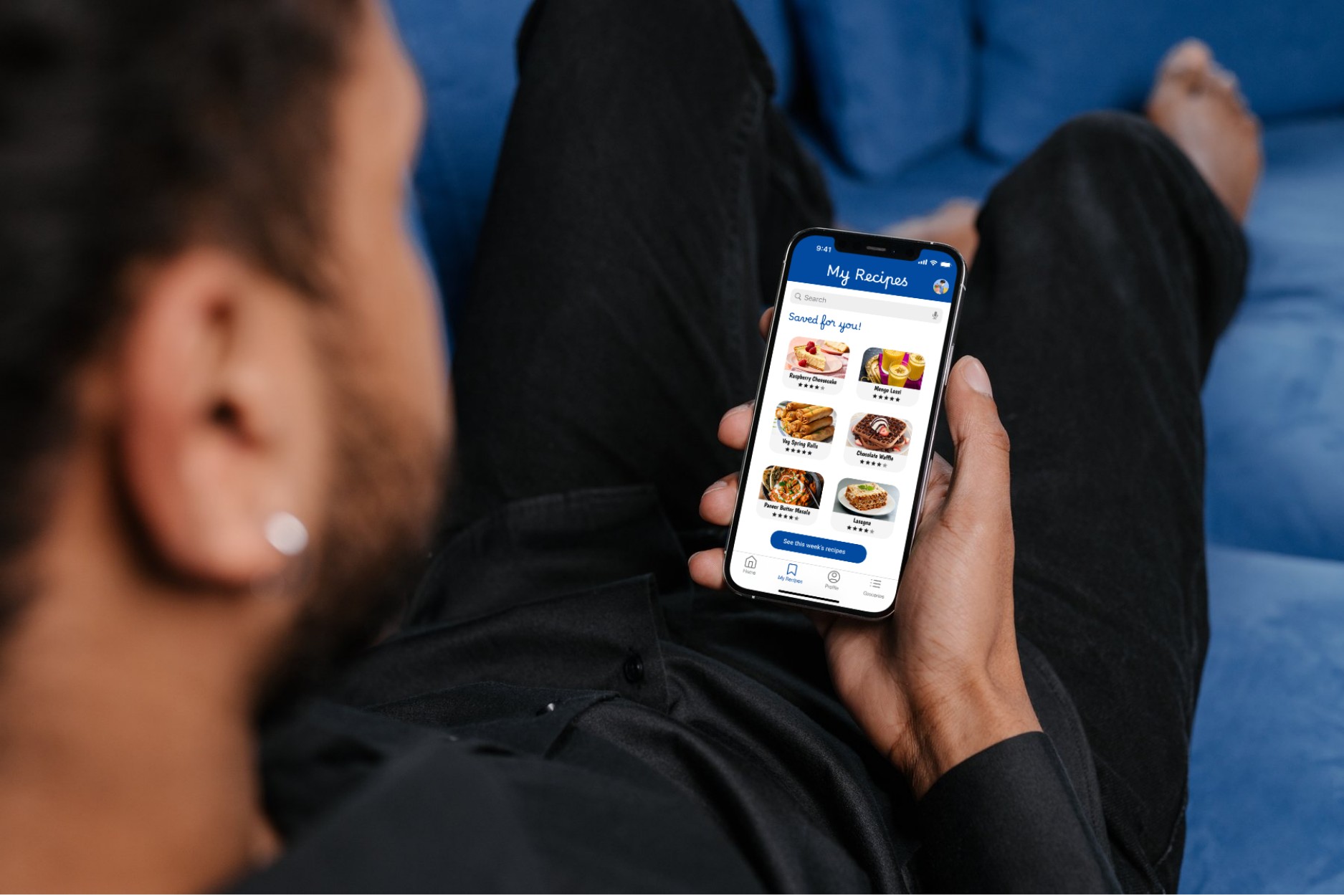
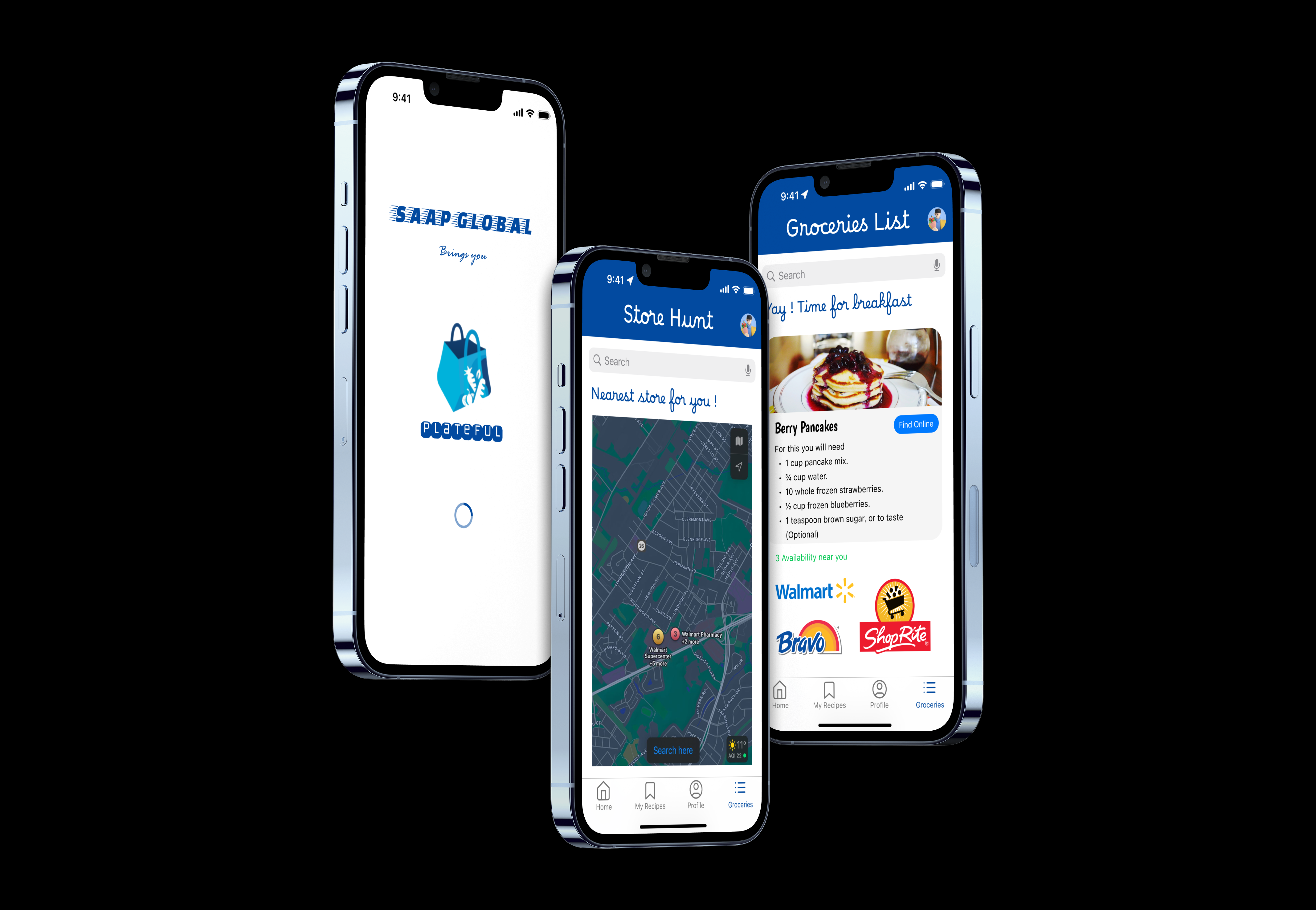
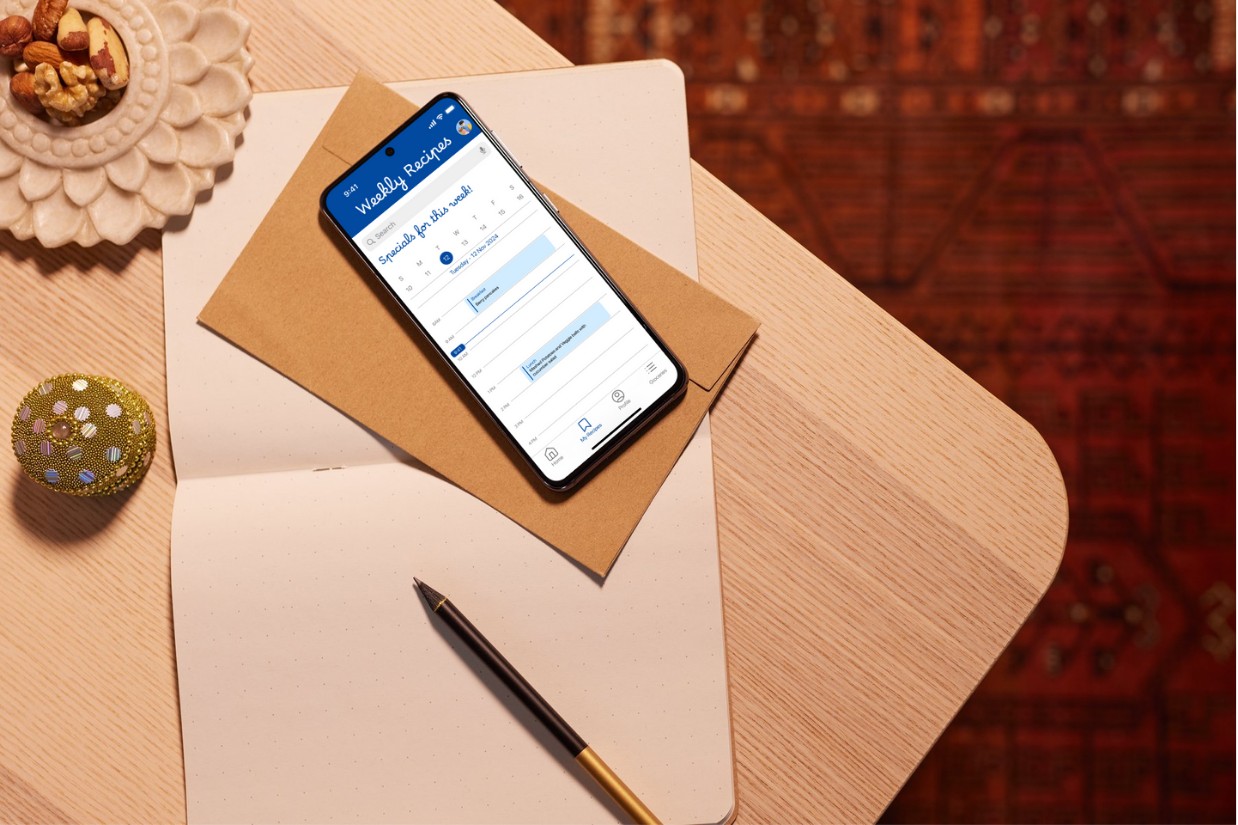
After rounds of iteration and testing, we delivered a seamless meal-planning experience that balances intelligence with simplicity.
Complete Screen Set
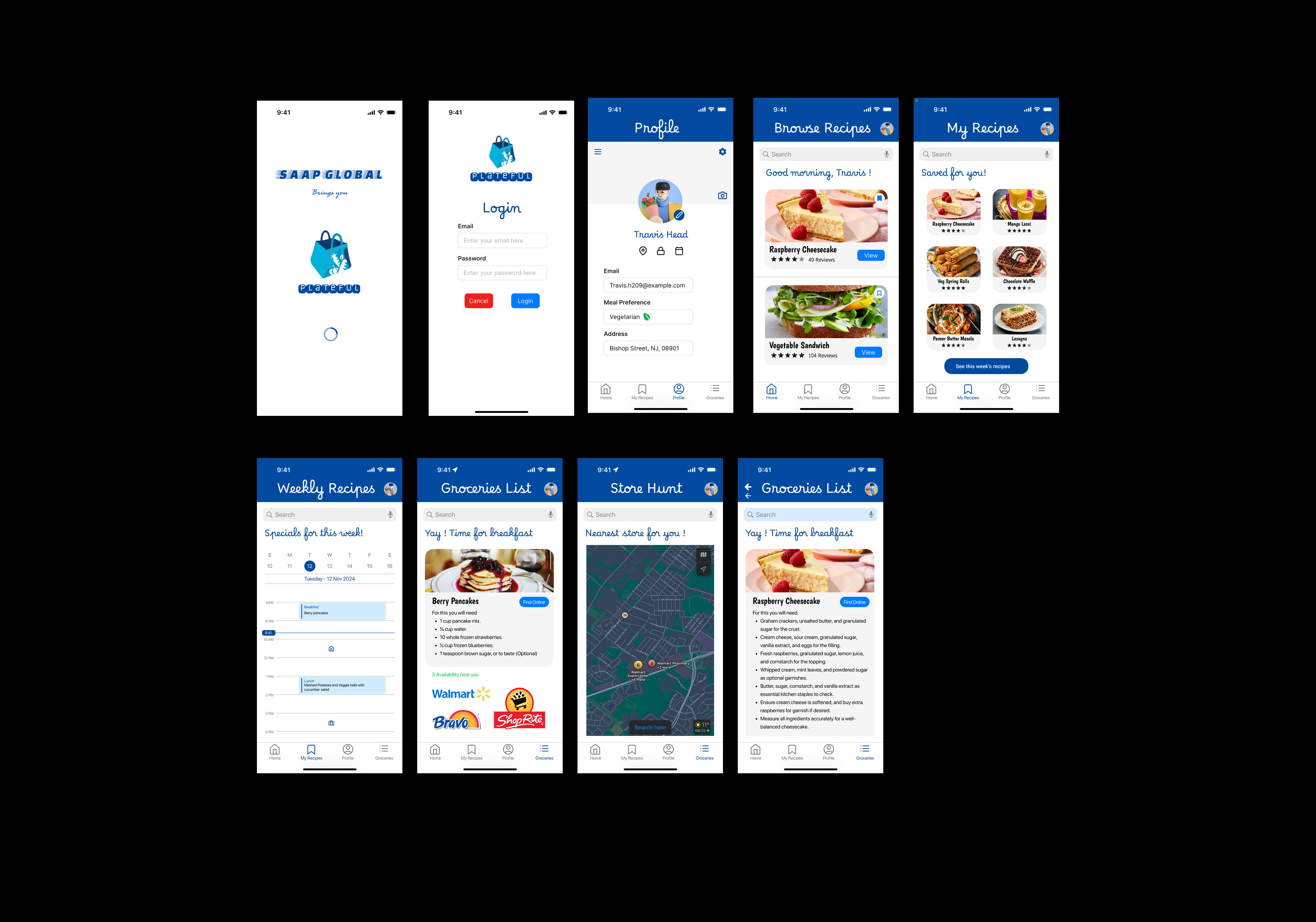
Dashboard
Cooking Mode
Grocery Sync
Looking back
and forward.
- Research-driven decisions built genuine user trust
- Usability-first flow reduced friction at every step
- Smart defaults minimized setup time significantly
- Balancing variety and simplicity in recommendations
- Ensuring AI felt helpful, not intrusive or "creepy"
- Managing the complexity of diverse dietary needs
Next Steps
"Designing for habits means designing for emotions."
Financial planning
for launch.
Estimated costs for developing and launching Plateful, including ongoing maintenance and operational expenses.
| Category | Low | High |
|---|---|---|
| App Development iOS/Android, backend, API integration | $50,000 | $100,000 |
| UI/UX Design Wireframing, prototyping, user testing | $10,000 | $25,000 |
| AI/ML Integration Machine learning, data analytics | $50,000 | $150,000 |
| Marketing Digital campaigns, social media | $10,000 | $30,000 |
| Server & Hosting AWS/Google Cloud — annual | $5,000/yr | $15,000/yr |
| Grocery Store Integration API integration, revenue-sharing | $5,000 | $15,000 |
| Legal & Compliance Data privacy, app store regulations | $5,000 | $10,000 |
Estimates based on industry standards. May vary depending on team size, location, and project scope. Annual costs reflect ongoing operational expenses after initial launch.